
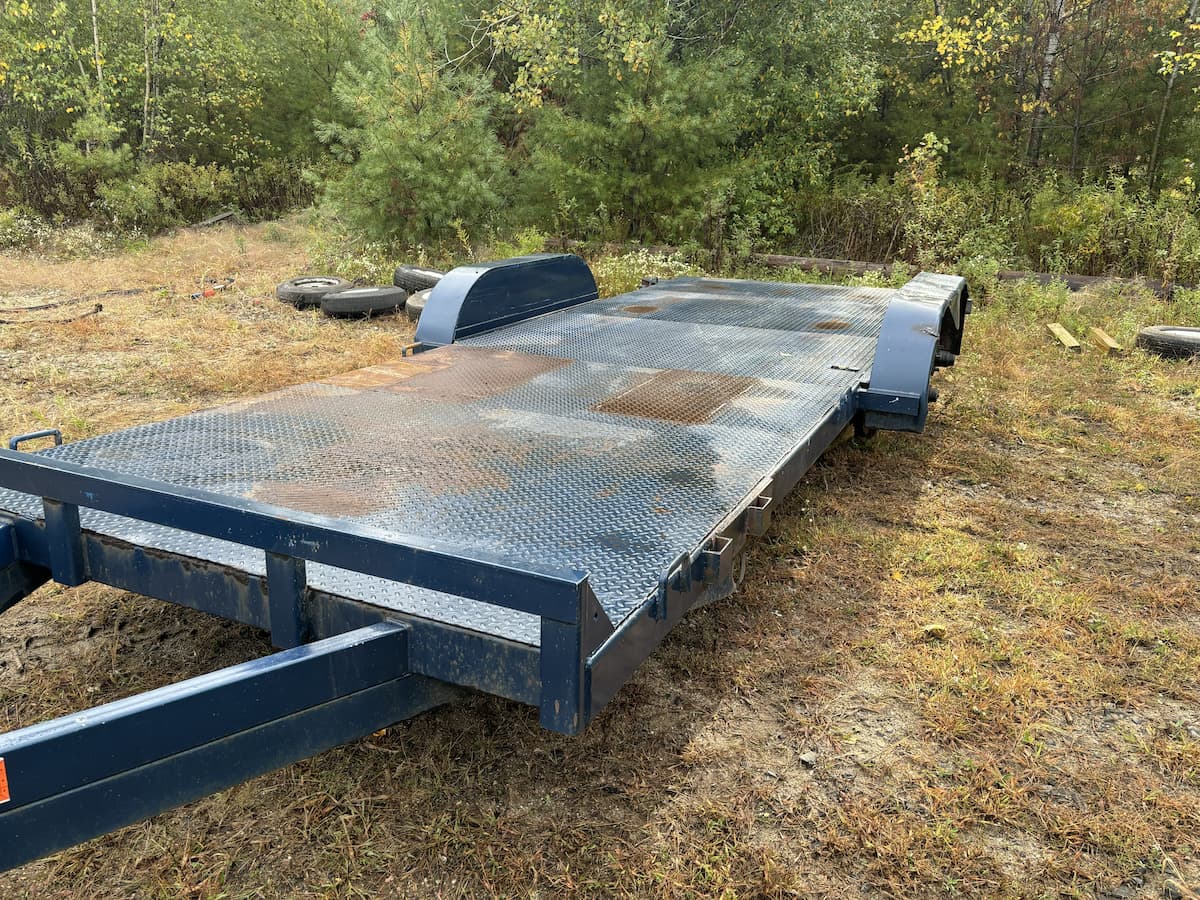
Industrial Sandblasting in Maine: The Fleet Owner's Guide to Surface Preparation
If you run trucks, trailers, or structural steel across Scarborough and greater Portland, this guide breaks down how industrial sandblasting Maine projects get done right. We will show how different blasting media work, what “anchor profile” really means, how long projects usually take, and how safety and containment protect your site. For a deeper dive into process and scope, review our industrial sandblasting services and see how Varney Truck Company restores metal so coatings last.
Why Surface Prep Matters For Maine Fleets
Coastal air off Pine Point, freeze and thaw from January through April, and heavy road salt on the Maine Turnpike all attack exposed steel. Blasting removes failed mill scale, rust, and chalky paint so primers can grab the surface. A clean, uniform profile helps coatings resist peeling and underfilm corrosion when the next winter hits. Think of blasting as the foundation; if it is flat and strong, everything you build on top performs better.
Media Types Explained For Metal Restoration
“Sandblasting” is a catch-all term. The right media depends on the metal, the contamination, and the finish you want. Here is how common options perform for fleets and structural steel in Scarborough, ME:
- Coal Slag: Aggressive cut that tears through heavy rust and stubborn industrial coatings. Great for thick steel like frames and crossmembers.
- Crushed Glass: Recycled, low free-silica option that leaves a clean finish with a moderate profile. A frequent pick for general fleet prep.
- Glass Bead: Peening action that cleans without a deep bite. Useful when you want a smoother surface and minimal profile on select parts.
- Garnet: Hard, consistent, and often recyclable. Delivers a predictable profile on structural steel with less dust compared to many slags.
- Steel Grit: Extremely durable and fast where reclaim is possible. Common in shop settings for thick steel and large surface areas.
- Eco‑Forward Alternatives: Baking soda and certain soft agricultural media can lift contaminants on sensitive substrates, though they create little to no profile. Wet blasting methods help control dust where conditions demand it.
Always match the media to the metal and the target profile listed on the coating data sheet. That is how you get strong chemical bonding and fewer repaints later.
Choosing The Right Surface Profile
“Profile” is the microscopic texture the blast creates. It is measured in mils and acts like tiny footholds for primer. Most epoxy and urethane systems call for a light, medium, or heavy profile depending on metal thickness and exposure. The goal is to create enough texture for adhesion without removing more metal than necessary.
- Light profile: common on thinner components and parts that will get thinner-film primers.
- Medium profile: typical for truck frames, dump bodies, and general structural steel.
- Heavy profile: used when rust is deep or when high-build primers need extra bite on heavy steel.
Profile targets are confirmed by reference standards and by checking the coating manufacturer’s recommendations. Priming must follow blasting promptly so the fresh texture does not oxidize.
Project Timelines And What A Typical Day Looks Like
Timeframes vary by size, condition, weather, and how complex the masking is. A small part or single attachment can be prepped the same day. Multi-axle frames, trailers, or structural runs in Oak Hill, Pleasant Hill, or Dunstan take longer. Here is a common flow for a fleet unit or steel section:
- Staging and Masking: Identify sensitive parts, protect threads and glass, and set up containment and ground protection.
- Blasting: Work panel by panel to keep quality checks tight and achieve the target profile evenly.
- Clean Down and Verification: Blow down with clean, dry air and verify cleanliness and profile before coating.
- Primer Application: Coordinate to apply primer within the recommended window for the coating system.
- Topcoat and Cure: Apply the specified system and allow proper cure time before returning to service.
Humidity along the Scarborough marshes can trigger flash rust fast in spring and fall, so schedules build in short windows between blast and primer. Indoor shop work helps control temperature swings, while mobile work relies on careful timing and dry compressed air.
Local insight: Coastal moisture near Pine Point and Prouts Neck can flash rust bare steel in hours. Plan to prime the day you blast, and keep newly prepped steel covered and dry to protect the profile.
Safety, Containment, And Compliance You Can Trust
Protecting your crew, neighbors, and the environment is part of a good blasting plan. Pros use respirators, eye and hearing protection, and clean, dry air for final blow-downs. Containment and ground protection help capture spent media. Choose low free-silica media and verified PPE practices to reduce airborne risk. Waste handling follows site rules and vendor guidance for the media and coatings removed.
Where Industrial Sandblasting Fits In Your Maintenance Plan
Blasting is step one. The finish that fights corrosion is the coating that follows. Many Maine fleets pair prep with professional finishing so accountability stays simple. Explore how topcoats lock in protection by reviewing industrial painting and coatings and confirm film builds match your routes and exposure. For more planning detail from our team, check this related read: Industrial Sandblasting 101: What Maine Fleet Owners Should Expect.
If you want a quick overview from the source, you can also browse industrial sandblasting in Maine on our home base to see how Varney Truck Company structures projects and coordinates coating windows once the blast is complete.
Fleet, Facility, And Structural Steel Use Cases Around Scarborough
Across Scarborough, South Portland, Saco, and Westbrook, needs vary. Trucking and logistics yards focus on frames, rails, and sander boxes. Fabrication shops and municipal yards look to restore buckets, quick-attach plates, and welded repairs. Waterfront work near marinas and industrial corridors sees more salt and spray, so coatings must be selected and timed with extra care. In every case, the same rules apply: clear to bare metal, hit the right profile, then prime and topcoat inside the recommended window.
Commercial and industrial managers often stage work in waves. Frames and dump bodies first, then trailers and attachments. Structural steel can be sequenced by elevation or exposure so the most vulnerable sections receive attention before peak salt season. A steady, well-documented process beats quick fixes that skip profile checks or delay primer.
How To Match Media To Goals Without Guesswork
Think about what you are removing, what you are protecting against, and the final look you want:
- Heavy, scaly rust on thick steel: Coal slag or steel grit for speed and a strong bite.
- General fleet prep where cleanliness and moderate profile matter: Crushed glass or garnet.
- Smoother appearance on select parts: Glass bead for a lighter texture.
- Dust-sensitive sites or delicate substrates: Consider wet blasting methods or softer media, then verify if a separate profiling step is needed.
After blasting, verify the profile and cleanliness. Then pair the right epoxy primer and urethane topcoat so the system survives Maine winters. If you are mapping a turnkey finish, our overview of industrial painting and coatings explains how film build and cure times support uptime during busy seasons.
What To Expect When You Call
Our process is straightforward. We listen to your goals, review photos or walk the site, and recommend media and target profile for each surface. We plan containment, confirm staging, and organize coating windows so units get back to work fast. For a full list of capabilities and examples, look over our dedicated page for industrial sandblasting. If you prefer to talk it through, call 207-400-7367 and a project lead will help you outline the steps.
Ready To Prep Your Fleet Or Structural Steel
Road salt, coastal humidity, and long service hours do not have to win. Varney Truck Company helps Maine fleets and facilities reset the surface the right way so coatings bond and last. When you are ready, start a conversation or schedule a walk-through. You can reach us at 207-400-7367, or read more about scope and methods on our page for industrial sandblasting before we build a plan that fits your schedule.
Get A Free Quote
Our Services

Our Service Areas
We proudly serve clients throughout Scarborough, Maine, and the surrounding communities. We provide reliable industrial sandblasting, painting, and metal finishing services across the region, helping local businesses keep their equipment and facilities in top shape. No matter where you're based, our team is ready to bring professional-quality surface preparation and refinishing directly to your site.